Custom Expanded Metal Products
- Standard (Raised) Expanded Carbon Steel Specs
- Standard (Raised) Expanded Aluminum Specs
- Standard (Raised) Expanded 304 Stainless Steel Specs
- Flattened Expanded Carbon Steel Specs
- Flattened Expanded Aluminum Specs
- Flattened Expanded 304 Stainless Steel Specs
Expanded metal is produced when sheet metal is slit and stretched to form uniform openings without waste. The result is a single-piece structure with consistent performance, steady load distribution and open area suitable for filtration, guarding and ventilation.
Argus Steel supplies a broad range of expanded metal products and expanded steel mesh for industrial facilities, including standard/raised and flattened options in carbon steel, aluminum and stainless steel. We distribute multiple patterns, thicknesses and metals to support equipment protection, plant maintenance and controlled access needs.
Request a quote to review sizing, alloy choices and fast delivery options.
Types of Expanded Metal
Argus Steel carries the following types of expanded metal:
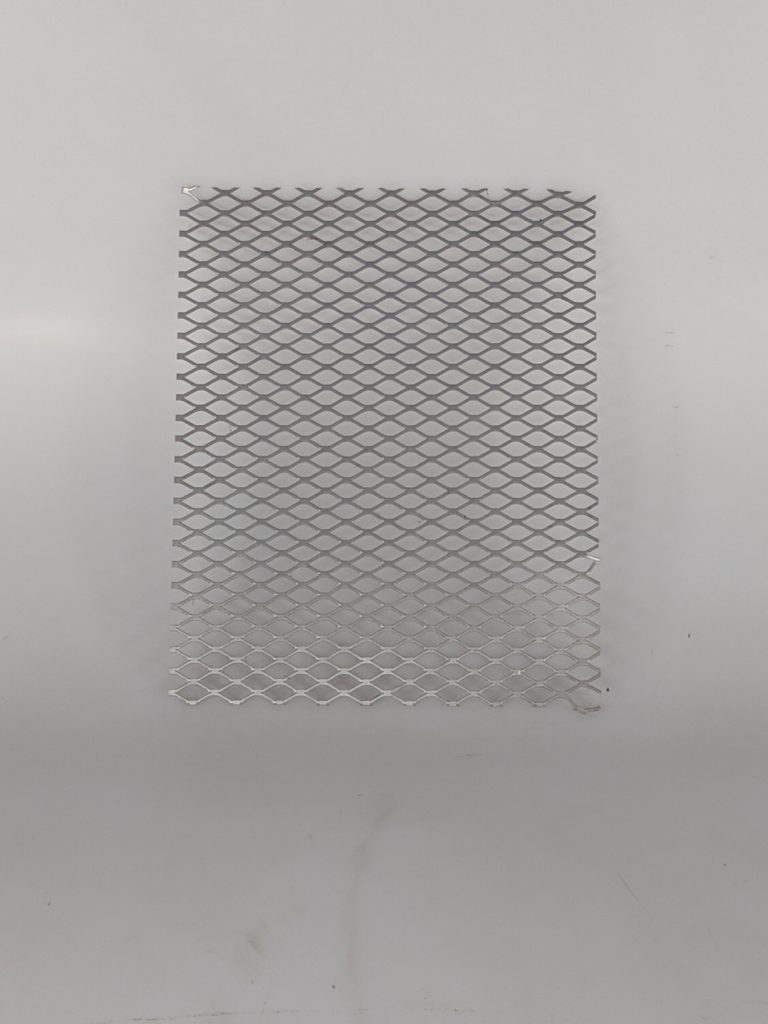
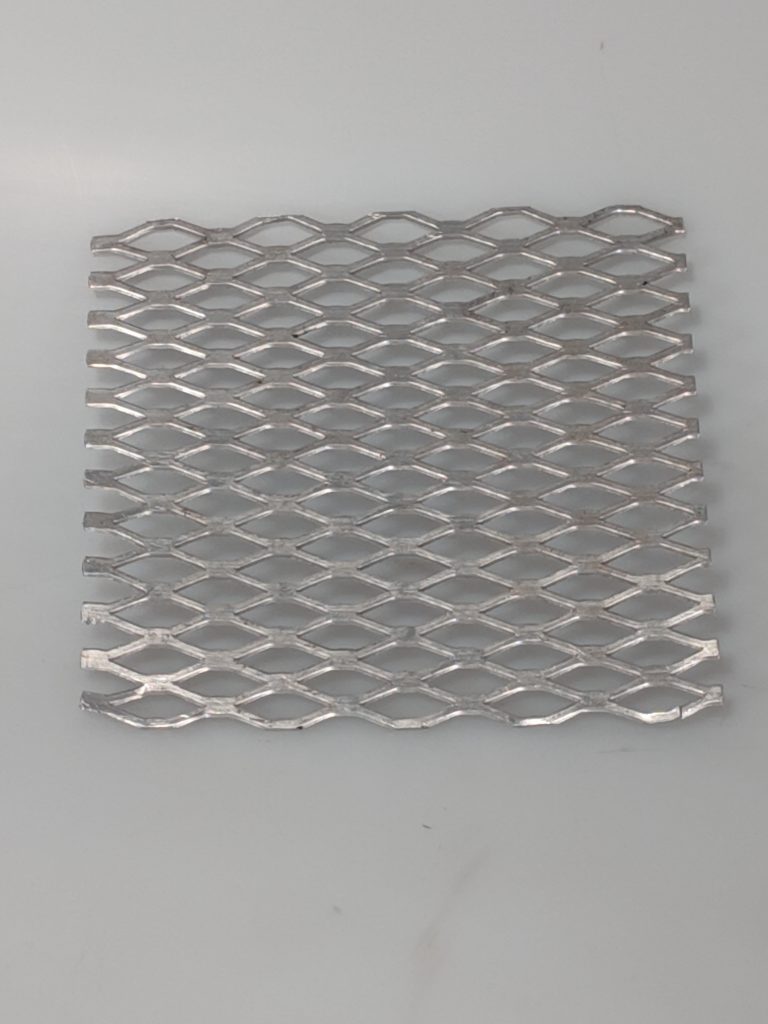
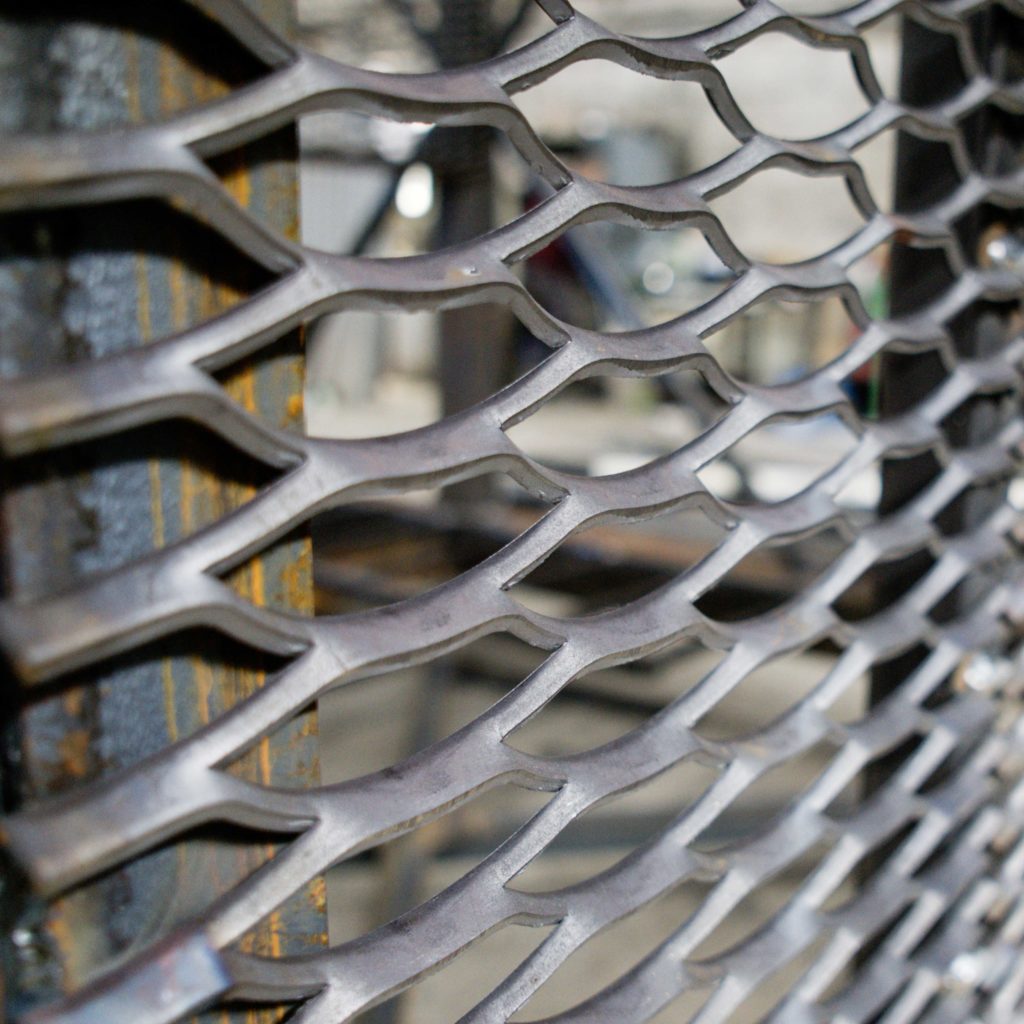
- Standard: We produce standard, also known as raised, expanded metal, by running raw material through specialized presses. The process slices and stretches the metal in one motion, forming uniform diamond openings across all expanded metal sheets. These angled strands stay connected to the base of the sheet, which strengthens the surface and improves durability over time.
- Expanded metal: Flattened expanded metal begins as a standard sheet. After the initial expansion, the material passes through leveling equipment that compresses the raised strands. This creates a smooth, even profile that achieves a clean, finished look. Flattened sheets are often used for screens, fencing and interior or exterior partitions.
Argus Steel works with numerous metals so customers can match each project to the right balance of strength, weight and corrosion resistance. Carbon steel offers dependable performance for everyday industrial use, while aluminum provides a lighter option when ease of handling matters. Stainless grades 304 and 316 deliver elevated resistance to moisture and harsh environments, and galvanized steel adds another layer of protection for outdoor applications.
Copper and brass or bronze bring conductivity and a distinct appearance, while Monel and other nickel alloys supply exceptional durability. Titanium stands out for its impressive strength-to-weight ratio in critical applications.
Diamond Sizes, Style Numbers and Orientation
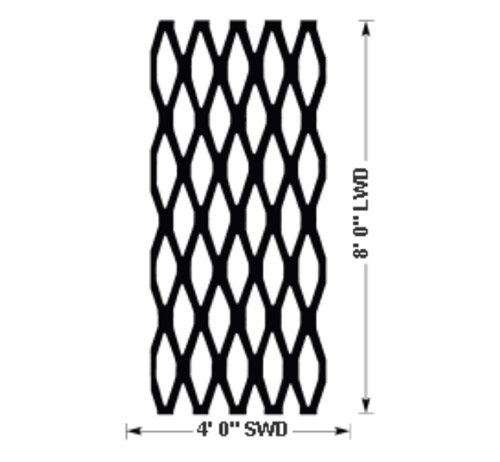
When ordering expanded steel, expanded metal mesh and similar products, the two main dimensions to consider are short way of the diamond (SWD) and long way of the diamond (LWD). SWD describes the narrower distance across each opening, while LWD indicates the longer span. These measurements influence how rigid the sheet feels, how much light or air passes through and how the material performs under load.
Style numbers combine strand thickness with opening size to create a simple naming system. Designations like #9-3/4 or #13-1/2 refer to the gauge of the metal and the LWD length in inches. A #9-3/4 sheet, for example, uses a heavier strand with a 3/4-inch long opening, whereas #13-1/2 features a finer strand and a tighter half-inch pattern.
Orientation also matters. Raised (standard) expanded metal has strands that sit at an angle after the cutting and stretching process, creating texture and natural traction. Flattened expanded metal is passed through rollers that press the strands into a smooth, even surface.